
It’s a fact. Alternative milks are here to stay, and are growing in popularity faster and faster every year. A decade ago, people were only starting to dabble in the idea of alternative milk, but nowadays, it’s as much of a staple as an apple would be in our diets.
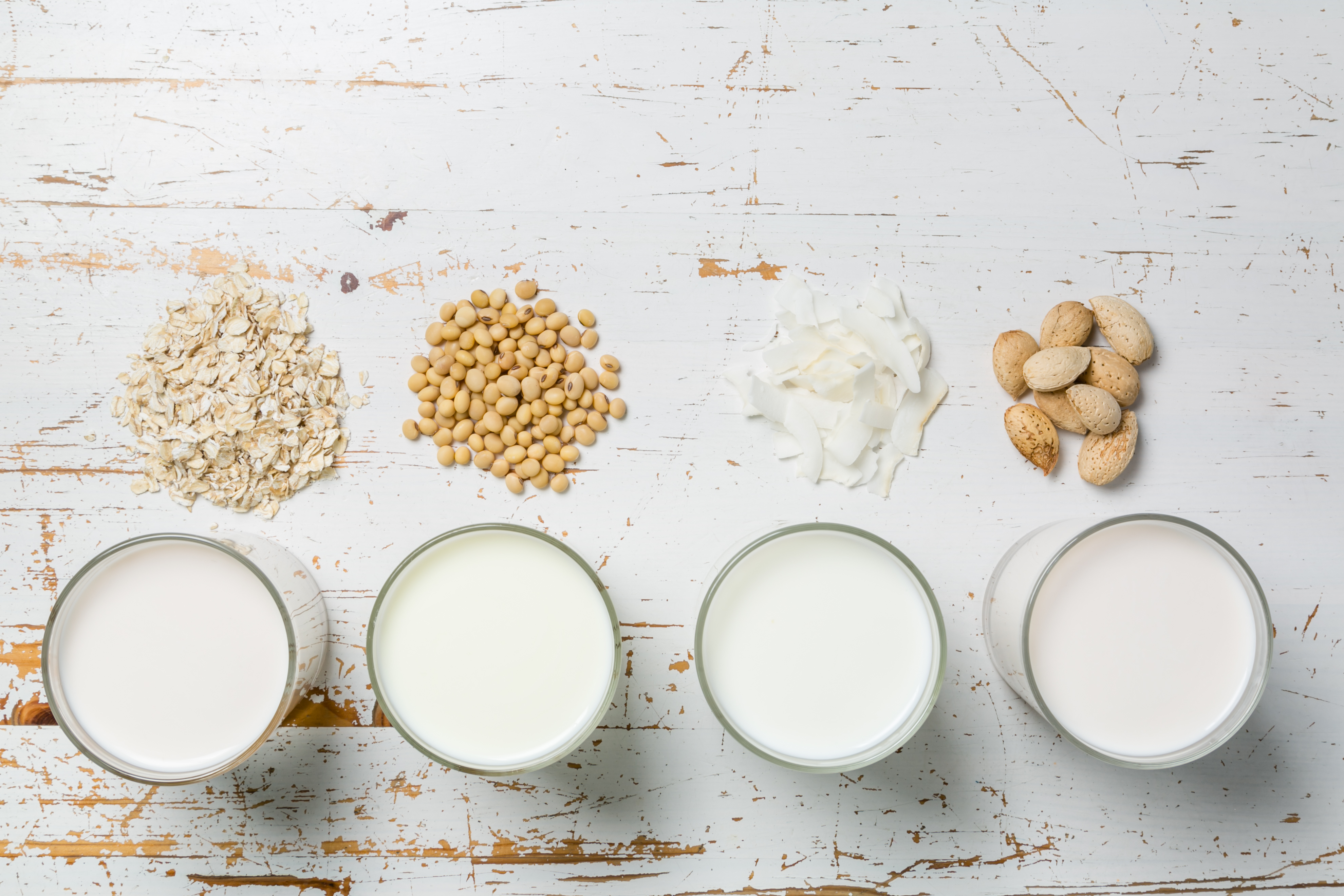
But like anybody else who has stood gap-mouthed in the refrigerated dairy section (myself included) all that is going through your mind is “what is the actual difference between them all?” Are there benefits to drinking alternative milk? Is it actually better for you than cow’s milk? Should you make the switch? I’ll let you decide for yourself.
Not to say that there is anything wrong with cow’s milk. Actually there are a lot of benefits to moo moo milk, such as being an excellent source of protein, calcium, as well as vitamins D and K. If you’re not drinking cow’s milk, make sure to find a good source of calcium elsewhere such as leafy green vegetables, tofu, almonds, certain kinds of beans or all natural vitamin D supplements.

Soy Milk
Made first by soaking dry soy beans then grinding them with water. A protein-rich alternative to cow’s milk, it is also richer in vitamin B than cow’s milk and has a good portion of folic acid, a B-complex vitamin, but lacks the calcium that cow’s milk contains. It is worth noting that unsweetened, organic soy milk best preserves the natural proteins found in soy. Consume in balanced quantities, as it may promote bloating in the body.

Rice Milk
Made from processed, milled rice that is then blended with water until it changes into a liquid. The natural carbohydrates found in rice become sugar during this process, which gives it a natural sweet taste. An excellent choice for those that are lactose intolerant, but it is very low in nutritional value unless vitamins and calcium are added and contains almost no protein and has twice the carbohydrates of cow’s milk.
Almond Milk
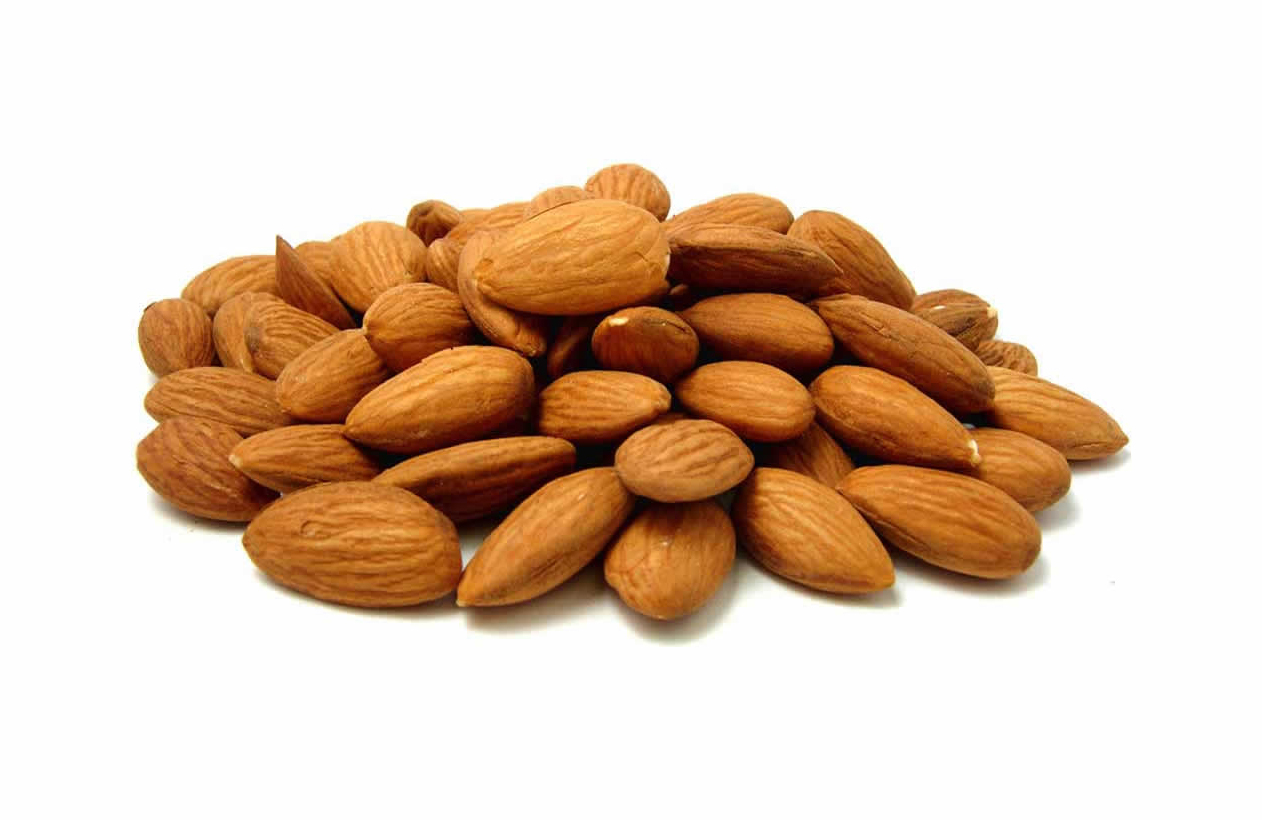
Exploding in popularity over the last few years, almond milk has fewer calories than soy, zero saturated fat and cholesterol, and contains about 25% of the daily recommendation for vitamin D, and almost 50% your daily needs for vitamin E. The only hitch to this popular alternative milk is that it actually has very little protein, so make sure to supplement your diet with additional protein sources.
Oat Milk
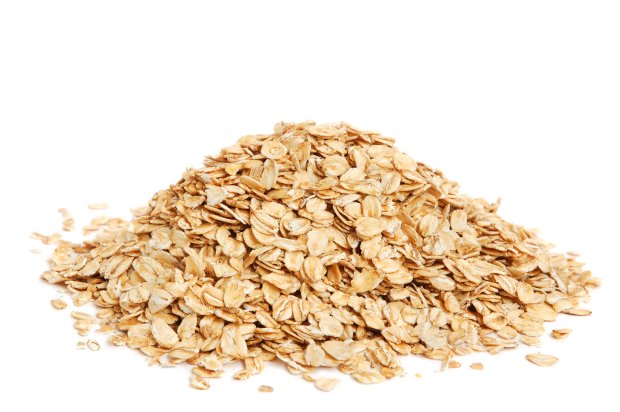
High in fiber and vitamins, oat milk is made by soaking and blending steel-cut or rolled oats with water and then like nut-based milks, is strained through cheesecloth. While it does have less protein than soy milk, it is worth noting that oat milk has more vitamin B than other plant-based milks. It’s a great alternative to those that have sensitivities to nuts or soy.
Coconut Milk
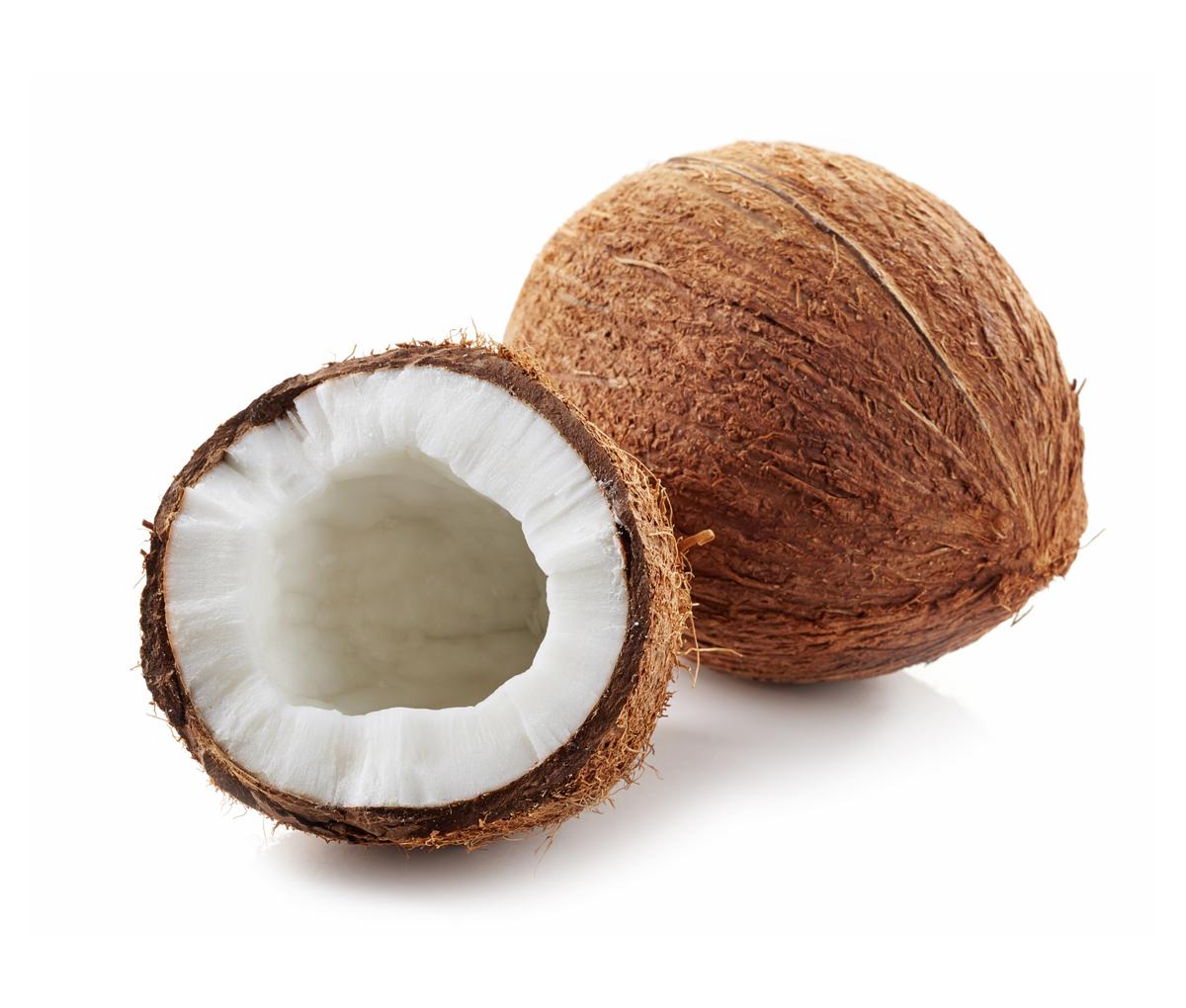
Made from grated coconut meat from mature coconuts. Rich in taste and high in fiber and iron, coconut milk is high in oil, saturated fat, and calories than cow’s milk, which makes it not recommended for large quantity consumption. However for lactose intolerant people who need a rich taste milk or cream, it’s a great alternative in recipes.
So many different milks! And these are just the ones that are commonly found in most supermarkets these days. I know for me, I always have a variety of different milks in my fridge and pantry – some I like to use for certain purposes, while others I like to enjoy with particular foods. My best advice is to try different kinds out and see for yourself what you like best. Virtually any nut, seed or grain can be turned into a milk so that just means there is a whole huge world of plant-based alternative milks to explore – so get going!
Personally I find unsweetened vanilla almond milk and cereal just completely magical, but tend to use coconut milk when I want a richer taste in recipes – how do you like to use use your alternative milks? Let me know in the comments below!
 The Accidental Foodie